Inspections of Balconies, Decks, and other Exterior Elements
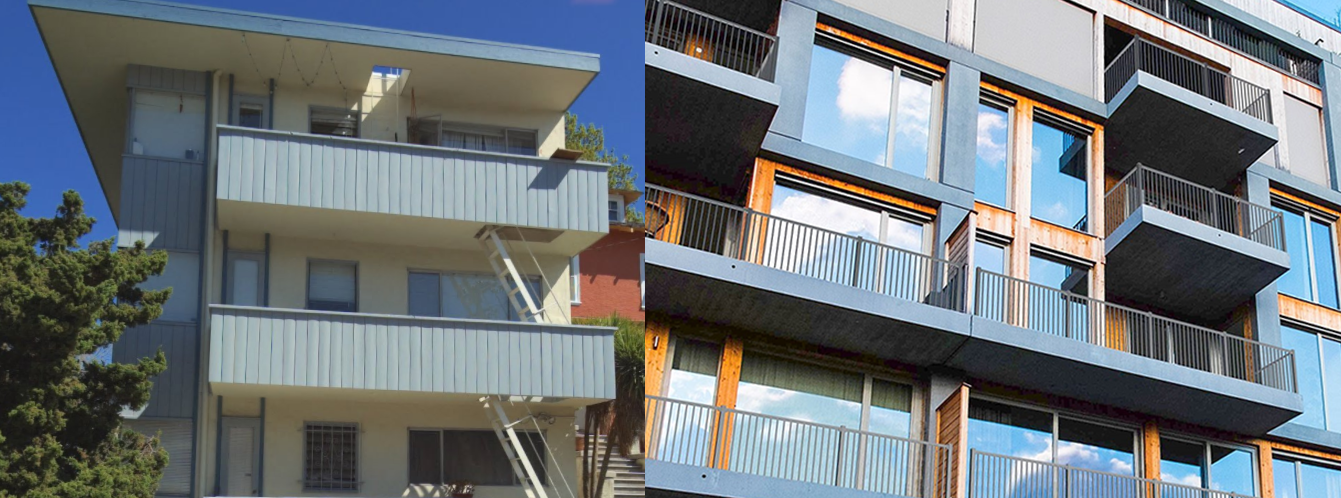
IMPORTANT NOTICE! Some buildings are required to have inspections. Please review the information below to see if your building must be inspected. If inspections are required, follow the steps to submit the correct forms.
Mandatory inspections are required if your building has all of the following:
-
Balconies, decks, porches, stairways, walkways, or similar structures that are fully or partly made of wood and extend outside the building
These structures are called Exterior Elevated Elements (EEE). They must be inspected by a qualified inspector to make sure they are safe, not damaged, and in good condition.
Building owners or HOAs are responsible for scheduling inspections and fixing any issues found.
Mandatory Inspections Timeline:
NOTE*: A Common Interest Development (CID) is a property where owners share common areas and costs. This includes condos and similar housing.
To avoid a Notice of Violation and fees, review your property’s requirements and submit either an EEE Inspection Form or an Exemption Declaration Form.
Step 1: Review Requirements & FAQs
When Are Inspections Required? When Are They Exempt?
Buildings That Require Inspections
If your building falls under Senate Bill 326 or Senate Bill 721, the building owner, property manager, or HOA must submit:
Forms must be submitted through the City of Oakland Online Permit Center.
Buildings That Are Exempt
If your building meets exemption rules, you must complete an Exemption Declaration Form.
You will receive an email confirmation with a copy of the form. Download the form and submit it through the Online Permit Center.
Reasons a building may be exempt:
-
There are no exterior balconies, decks, stairways, walkways, railings, or entry structures with walking surfaces more than six (6) feet above ground that rely on wood
All exemption forms are reviewed. You will be notified if your building is exempt or if an inspection is required.
Buildings that do not comply may receive a Notice of Violation.
Frequently Asked Questions (FAQs)
Building owners, HOAs, and inspectors should review all FAQs before submitting forms.
Who May Perform an Inspection?
The building owner must hire a qualified inspector.
Senate Bill 326 requires inspections by:
Senate Bill 721 allows inspections by:
The following is a list of qualified inspector types along with the licensing agency’s websites to confirm the inspector’s license is valid and number of years licensed:
SPECIAL NOTE: The inspector cannot be a current employee of the City of Oakland.
What Are the Inspection & Reporting Requirements?
Inspection and Reporting Rules:
Inspections check whether Exterior Elevated Elements (EEE) are waterproof, in good condition, free from decay or hazards, and safe for residents and visitors.
How often inspections happen:
-
If something dangerous is found that could immediately harm someone, the report must go to the owner and the City of Oakland Code Enforcement Services within 15 days, and repairs must start right away.
How inspections are done:
What the report must include:
For SB 721 (Apartments/Multi-Family):
Each new inspection report should include copies of prior reports, including locations of the inspected EEE.
Who May Perform Repairs? Are Permits Required?
Upon receiving the report, any EEE identified by the inspector as requiring repair or replacement shall be the responsibility of the Property Owner or HOA to maintain. The Property Owner or HOA shall take preventive measures immediately, including preventing occupant access to the EEE until repairs have been inspected and approved by the City. Repairs shall be performed by a qualified and licensed contractor not serving as the EEE inspector.
-
Immediate Threat: An EEE that the inspector identifies as an immediate threat to the safety, and/or finds preventing access or emergency repairs are necessary, including shoring, shall be considered an emergency condition and the building owner shall perform required preventive measures immediately.
If an immediate threat is identified, the inspector must provide a copy of the inspection report to the Property Owner or HOA within 15 days of inspection and submit a copy to City of Oakland Code Enforcement Services.
-
No Immediate Threat: If an inspector identifies an EEE that requires repair, but does not pose an immediate threat to safety, the building owner or HOA shall apply for a permit within 120 days of receipt of the inspection report to perform corrective repairs. Once the permit is approved, the building owner shall have 120 days to make repairs unless an extension of time is granted by City of Oakland Code Enforcement Services.
If the building owner does not comply with the repair requirements within 180 days, the inspector shall notify City of Oakland Code Enforcement Services and the building owner. If within 30 days of the date of the notice the repairs are not completed, the building owner shall be assessed a civil penalty based on a fee of not less than $100 but not more than $500 per day until repairs are completed, unless an extension of time is granted by City of Oakland Code Enforcement Services.
Code enforcement proceedings under the Oakland Municipal Code will be initiated against a building owner or HOA that do not complete corrective work or if work is not completed on time. If a civil penalty is assessed, a building safety lien may be recorded against the property.
Step 2: Complete Exemption Declaration (As Applicable)
If your building is exempt, building owners and HOAs MUST submit an Exemption Declaration Form to avoid a Notice of Violation and fee charges.
Reasons for exemption:
- There are NO exterior balconies, decks, stairways, walkways, railings, and entry structures that have a walking surface more than six (6) feet above ground level that rely on wood or wood-based products for structural support or stability.
- There are more than two units on the lot but no more than two units in any building.
- The buildings on the lot are a single-family dwelling or duplex.
Step 3: Complete Inspection Form (As Applicable)
If an inspection is required, download and complete the fillable Exterior Elevated Elements (EEE) Inspection Form.(PDF, 274KB)* (Please also read above Frequently Asked Questions.)
* NOTE: All provisions of California Building Code apply, regardless of third-party inspector's report.
Step 4: Submit Inspection
Submit Inspection Form + Report
For submission instructions, refer to our User Guide for Elevated Exterior Elements Monitoring Online Submission.(PDF, 942KB)
Additional References